
– Discussions with people in the
Japanese media localization industry –
Leo McDonagh
Can you tell us about yourself?
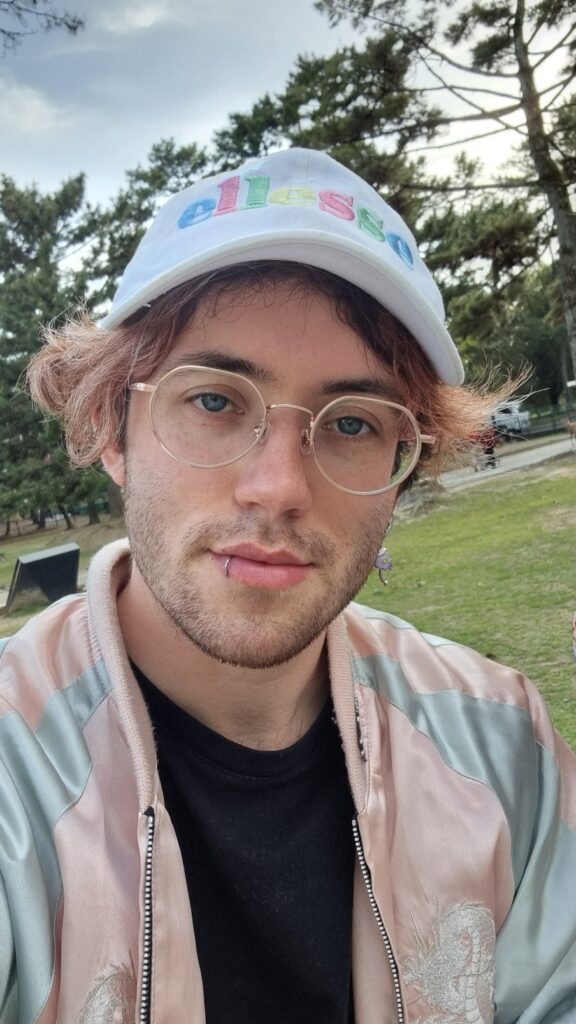
My name is Leo and I’m a queer trans guy from the UK living in Tokyo. I’ve loved languages and writing since I was a kid and it’s a dream come true that this is now my livelihood.
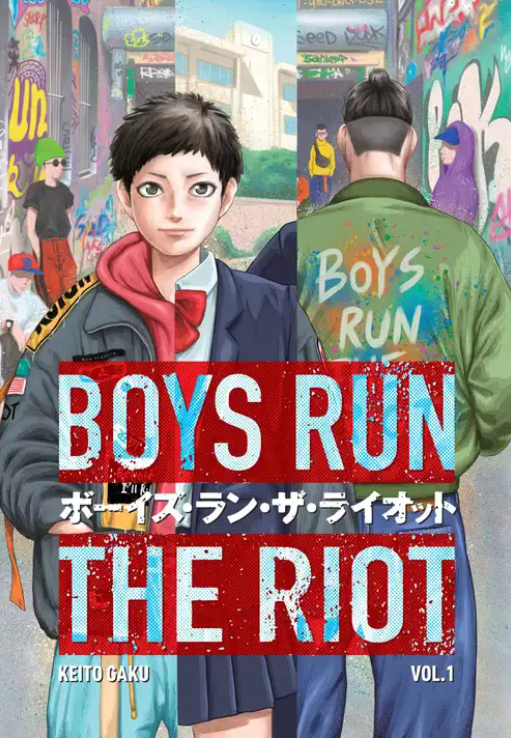
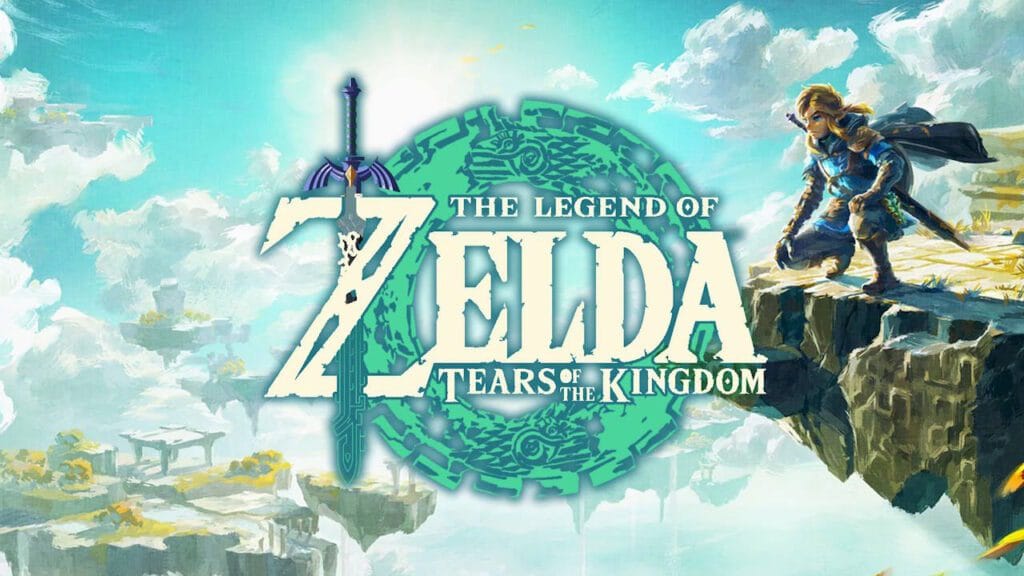
I’ve been translating from Japanese to English since 2019 and worked at Nintendo of Europe for two years. I’ve mainly translated video games and manga, including Zelda: Tears of the Kingdom and Boys Run the Riot by Keito Gaku.
Right now, I’m finishing up my Master’s degree in Information Studies at the University of Tokyo, and looking for a localization job in Tokyo from October 2026.
How did you get into localization?
I was a huge Pokémon fan as a kid, and it was always my dream to work with Nintendo or Pokémon. I did my undergrad in Japanese at the University of Leeds and made a Twitter account posting my thoughts about Japanese media and translation.
After a bunch of random gigs translating hotel menus and saucy interviews, the lovely loc community picked me up and helped me get started in translating indie video games. My first client was MIYAKO Publ., to whom I will always be grateful.
After that I also started getting jobs for manga. Since I’m very open about being queer and trans, I was often given manga with similar themes, and now that has firmly become my niche. Translating gender is something I’m very passionate about – I even wrote my undergrad thesis about it – so I’m very happy with that!
Is there anything you wish you had done differently?
I wish I had been more confident in my Japanese ability during my university years. I did my year abroad at Waseda University, but my speaking level was quite low back then and I was quite afraid to go out and meet people, thinking I would embarrass myself. However, knowing conversational Japanese – as in, phrases people actually use in the real world – is a really important skill when it comes to translating dialogue, which there is a lot of in video games and manga particularly.
Not only that, but it helps with talking with clients and being educated on Japanese life and culture in general. Most people are very gracious even when your speaking isn’t that great yet, so just get out there and speak!
– Your Loc Work –
What do you enjoy working on most?
Anything with queer or trans themes!
I also really enjoyed working on Zelda because everybody at Nintendo was so friendly and talented at what they do. It was a really fun team experience that’s difficult to find working freelance. Not only that, but the game is just really, really good. My mum’s favourite game is Breath of the Wild, so telling her that I worked on the sequel was a highlight of my career.
What have you been most proud of?
I’m particularly proud of my work on Boys Run the Riot, mostly because of the reception it got. Watching people all over the world get to enjoy the story and see themselves in the characters was really fulfilling for me. There are not a lot of stories out there with trans boy characters, and I know it’s a story I would have loved to read growing up, so it was a very full circle moment.
Is there something you worked hard on that you think no one noticed?
I gave some of the characters in MIYAKO Publ.’s game Haru to Shura West Country accents. It was so early in my career that I don’t know if I did a very good job at it, so maybe that’s why nobody noticed. But it was still funny making my friend Jean-Paul – who worked on the translation with me – learn my home region’s accent.
I feel like people not noticing your hard work is part and parcel of being a translator, especially if the goal is to be “invisible.” This is especially so when there are NDAs or big group projects. That’s something I’ve always kinda accepted, so as long as people are enjoying my work, I’m happy.
That being said, translators should have the choice to be more visible, named and credited. They deserve to be appreciated for their hard work. To obscure the process of translation is misleading to the reader.
If you could do anything what would you love to do or try out?
I would love to get more involved with activism and organizing. I think that translating certain things can be a form of activism, and I would love to translate more work from trans authors.
Since moving to Tokyo, I’ve been getting involved in local movements and find it very inspiring. I would love to multitask as a translator, interpreter, researcher and writer in Tokyo while volunteering on the side.
– Study and Inspiration –
Is there anyone or anything you draw inspiration from?
I get a lot of inspiration from other translators (such as you, Jenn!) who clearly love this craft and put everything into it. Reading translation choices that I never would have thought of inspires me to think outside of the box and push my creativity.
I feel like I sometimes hold myself back from making those kinds of choices in case I annoy my editors, so when I read an awesomely translated book or manga or game, it really fires me up. Anton Hur is a translator I particularly look up to in this regard.
What tools/resources do you recommend to other translators?
I love using Reverso Context. It scans texts to find other times a particular word or phrase was used and how it was translated. It often gives better, more natural results than other dictionary sites like EJJE-Weblio or Alc (although you should always be skeptical).
What do you do to hone your skills?
I read a lot, in English and Japanese. Just like with any writing profession, reading is key to keeping your vocabulary and creativity fresh. Reading non-fiction and researching topics relevant to the series I’m translating is also hugely helpful. I wonder if going out to Nichome can be considered research…
If you could share one piece of advice for aspiring media translators, what would it be?
Make friends! The loc community is super friendly and generous. If they see you are passionate about translation, they will welcome you with open arms. You’ll learn so much more from them than any online course or marketing guru.
– The Industry in General –
What do you think people don’t know about localization that you wish would?
I wish people knew how little say translators sometimes have over the final product. Often you won’t receive any feedback whatsoever and you won’t know what happened to your work until you get the final thing and read something completely different, or even incorrect. I have to say though, all my editors have been amazing and really make my work shine, but I’ve heard some horror stories!
How do you think the industry has changed since you started?
I didn’t start that long ago, but a lot has changed with the increase in AI translation technology. The problem isn’t that humans are no longer necessary, but that companies think they aren’t, leading them to devalue our skills and decrease our pay.
On the other hand, publishers are being braver in the kind of work they translate, with an increase in representation for marginalised communities.
How do you think the industry will change in the future?
I think that the inadequacies of AI translation technology will eventually become apparent, and the industry will stabilize once again. I’m inspired by the actions of SAG-AFTRA in the US and other translators who are educating people on the necessity of human creativity.
No matter how much technology develops, people will always need translators.


– Website/Social Media/Contact Links –
Twitter: @leotranslations
WordPress: https://leocalization.wordpress.com/
LinkedIn: https://www.linkedin.com/in/leo-mcdonagh/