
– Discussions with people in the
Japanese media localization industry –
John Neal
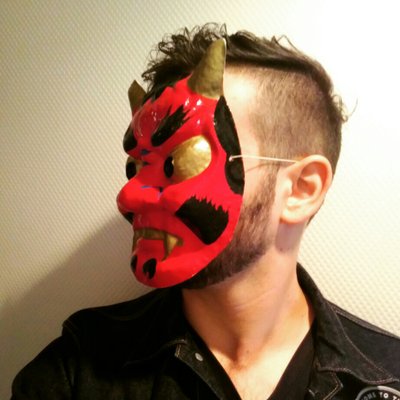
Can you tell us about yourself?
I’m John! I’m a freelance translator for both manga and video games, and I do a bit of editing for video games, too. I’ve been in the industry for a little over ten years. I’m originally from Atlanta, but I currently live and work in Osaka.
How did you get into localization?
After taking Japanese for my language requirement in college, I did a bit of hobby translation work on the side while working in Japan as an English teacher. Just as I was starting to look for something new, my friend Andrew at PlatinumGames gave me the heads-up that they were hiring international coordinators. I applied and luckily got in.
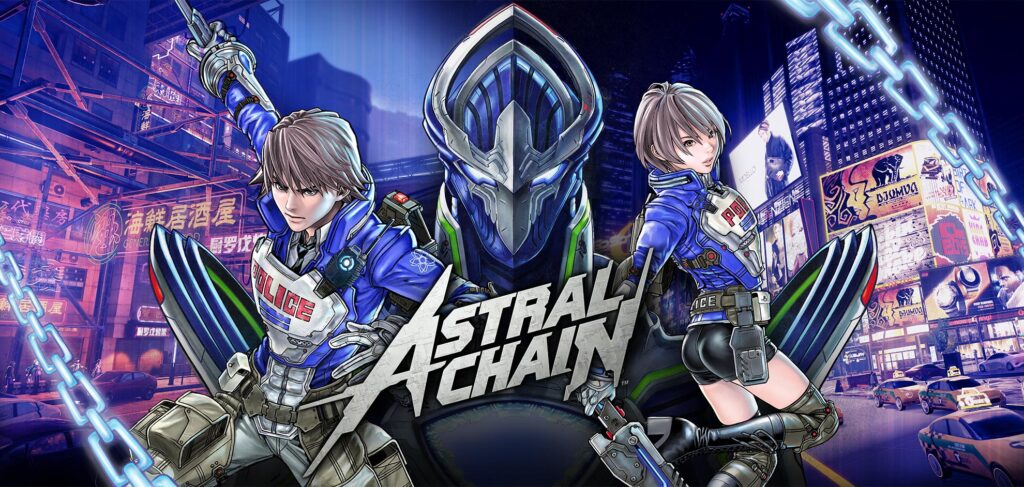
At first my roles there were mostly interpreting for meetings, translating e-mails to and from vendors, and so on, but over time I took on more and more game translation-related tasks, eventually culminating in serving as loc lead on Astral Chain.
When COVID-19 hit and I got a taste of working from home, I realized it was a good fit for me and my family. After nearly six years with Platinum, I decided to hang out my shingle as a freelance translator.
I hadn’t considered editing at that point, but a prospective client told me they needed editors more than translators and offered me a chance to take their editing test. That led to my first of many editing jobs.
Manga came a bit later. I’d been an avid manga reader since before you could find it flopped right-to-left in any bookshop in America, and it played a huge role in further developing my language skills and vocabulary after I moved to Japan, so it seemed like a good next step to fill out time between game gigs.
Nowadays it seems manga makes up most of my workload, but I still love working on games, too.
Is there anything you wish you had done differently on your path to becoming a translator/editor?
I wish I’d put more effort into networking and discussing the job with other translators early on.
The loc team at Platinum was full of talented folks, but we all wore a lot of hats. It was hard to make time for the team to get down to brass tacks on translation until I’d been there for a few years already.
I should have made a better effort to ingrain myself in translator communities, both local and online, at the time. I think I thought I hadn’t “paid my dues” yet and wouldn’t fit in with colleagues on the more experienced side of the fence.
Of course, now that I’m on that other side, I see it’s not a fence at all—it’s a vague, faded chalk line at best. There’s always something to learn, and always something to bring to the discussion, no matter how many credits you’ve got under your belt.
– Your Loc Work –
What do you enjoy working on most?
I’ve gotten to work on a few fighting games throughout my freelance career, which I adore. Not only is it a genre that I love as a player, but it’s pure character work with larger-than-life personalities, which makes handling the dialogue incredibly fun. And then you get to hear it come to life! You’ll never find a more passionate, dedicated fanbase than the fighting game community, which makes announcements and release days extra special.
Manga-wise, I have a particular affection for horror manga.
What have you been most proud of?
It’s hard to narrow it down; I’ve been fortunate enough to work on a lot of stuff I’m personally stoked about.
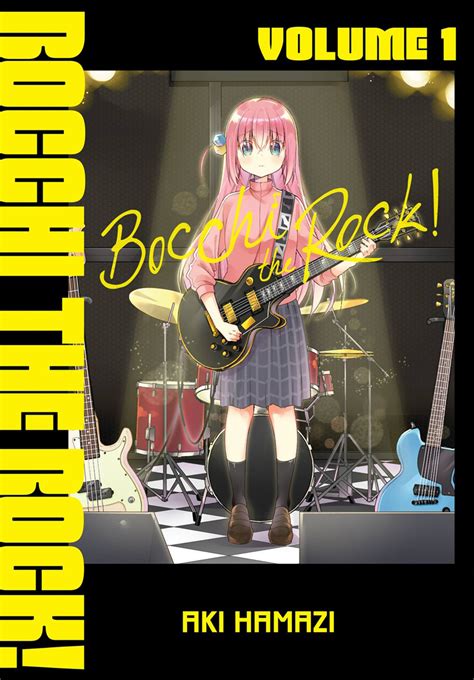
It was an honor to be nominated for Best Translation at the inaugural American Manga Awards for my work on Bocchi the Rock!. It’s a very challenging series to translate, so it was nice to get that recognition from industry peers. I’m a musician, too, and I’ve had firsthand experience with a lot of the same situations Bocchi and her pals find themselves in in the Japanese indie music scene; it’s great to put that extracurricular experience to work. I’d be remiss not to give a shoutout to my editors Thomas McAlister and JuYoun Lee and letterer Chiho Christie, too.
I’m also proud of the collective head-slap that went across the internet at the “Soldjars of Fortune” spirit ashes in Elden Ring. I know it’s a groaner, but in my defense: The original Japanese name is an A-Team joke, so I went with a riff on a phrase in the show’s opening narration. “Cracked Commandos” was another candidate. “The Clay-Team” felt a little too on the nose.
Is there something you worked hard on that you think no one noticed?
Not no one, but there are a few titles I’ve worked on where you might not notice exactly how challenging they were unless you were a loc professional yourself. Whether it’s razor-thin speech bubbles, a ton of idioms, cultural references that are easy to miss without living in Japan at the time it was written, or—okay, yes, I’m mostly talking about Bocchi again.
If you could do anything what would you love to do or try out?
I’m looking forward to having another big game project to sink my teeth into. I love working on manga, but every now and then I like to reconnect with my roots as a game translator. It’s not just out of love for the medium; game translation tends to be more of a team effort, and it’s important to keep those “soft skills” sharp. Whatever my next game project is, I’ve got my fingers crossed that it features people beating each other up real good.
– Study and Inspiration –
What do you do to hone your skills?
As I mentioned before, I used to do a good bit of hobby translation—interviews, lyrics, and so on. I fell off on doing that when it became my nine-to-five, though!
I read voraciously. It’s important to be well-read in your target language, because knowing what the Japanese means isn’t enough—you’ve got to convey it in an expressive, readable way.
I also read a ton of manga in Japanese, and that inevitably turns into translation practice. I can’t turn it off. Truly the mind is a prison. Anyway, if a game has separate language options for audio and text, it’ll take me longer to play through it than everyone else I know, because I’ll be comparing the Japanese and English versions to see how the loc team handled things the whole time.
Is there anyone or anything you draw inspiration from?
Oh, time to drag out a couple names from your interview archive!
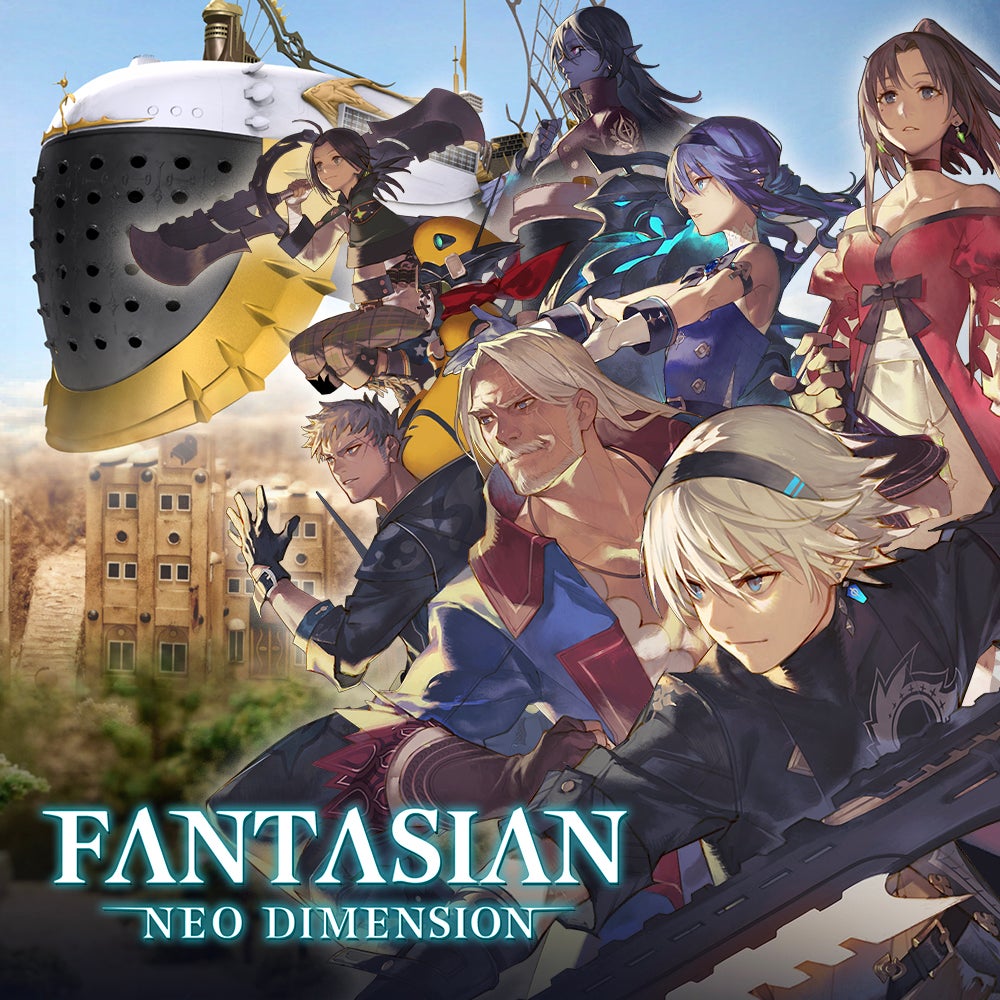
My first big game gig as a freelancer was editing the dialogue in Mistwalker Corporation’s Fantasian. I’d done a little work that could kinda-sorta be called “editing” when I was in-house, but this was my first time editing another person’s translation, and it was a learning experience, to say the least.
I couldn’t have done it without the immensely talented Jessica Chavez showing me the ropes. Her advice and feedback were invaluable and still inform all of my editing work—including how I approach finalizing my own translations. Shout out to translator Yuji Moriya, too, for his patience and cooperation on that project.
I’m primarily a translator, but speaking and working with editors—and my own editorial experience—has been very valuable on that front, too. I strive to deliver translations that an editor would be delighted to find on their desk.
What tools/resources do you recommend to other translators?
I’m probably not the one to ask about the latest and greatest tools, because I still keep my old Nintendo DS with Kanji Sonomama Rakuhiki Jiten in it beside my computer at all times. I’ll use a different kanji dictionary when they make a better one.
I can’t overstate the importance of a good keyboard, though. I am a big advocate for splurging on a nice keyboard—you’re going to use it for hours a day for the foreseeable future, after all. I use a split and tented keyboard layout, so my hands are about shoulder-width apart and not fully pronated as I work. It took a while to get used to it, but it’s done wonders for my comfort and posture.
If you could share one piece of advice for aspiring media translators/editors, what would it be?
This ties back into the keyboard thing, but take good care of your hands, wrists, neck, back, etc.
Watch your posture and the ergonomics of your workspace. A year and change ago, I got a wake-up call in the form of some pretty serious pains that I had no business having yet at my age.
Forgive me for going into overbearing parent mode, but start thinking about this stuff before it’s a problem. You don’t want to wind up typing through the pain with deadlines looming over you down the line. I feel a lot better now after a few doctor visits and improvements to my workspace, but trust me, it sucked.
– The Industry in General –
What do you think people don’t know about localization that you wish would?
I think a lot of people think games are still localized without much (or any) involvement from the original developers—that translators get a finished text and translate it without any input, feedback, or communication.
Levels of involvement will vary from studio to studio, but this definitely isn’t the case on the whole nowadays. I’ve been able to query and discuss translations with most of my game clients, and it’s not just a one-way street.
On the other hand, though, there’s way less back-and-forth than one might expect when it comes to translating manga. You’re almost always on your own without a route to contact the original Japanese publisher, let alone the artist themselves. And forget about finding out story developments that might color a translation later if you’re working on something that’s not finished yet.
For the most part, you get to follow along with the general Japanese readership, which can be a big challenge. I’ve been extremely lucky with Dinosaur Sanctuary, because Dr. Shin-Ichi Fujiwara, the research consultant who advises Itaru Kinoshita-sensei on the series, reviews our translations and sends us feedback and guidance.
What’s more, my editor Linda Lombardi has experience working as a zookeeper herself. Their extra wisdom helps me make the English version as scientifically accurate and authentic as it can be, and I don’t take it for granted.
To sum up, I think people (myself included when I started out) don’t realize how varied a translator’s job can be from medium to medium. Obviously each one calls for its own approach to the work itself, but different industries have surprisingly different standards and structures, too.

I’m on Bluesky at johnnylandmine.bsky.social, but you’re as likely to see my takes on arcade controller parts and shoot-‘em-up games as any insights into localization there.